Dr. Janice Y. Kinter, MFT
1033 Gayley Avenue, Suite 108
Los Angeles, CA 90024
ph: 310/824-0099
About Us
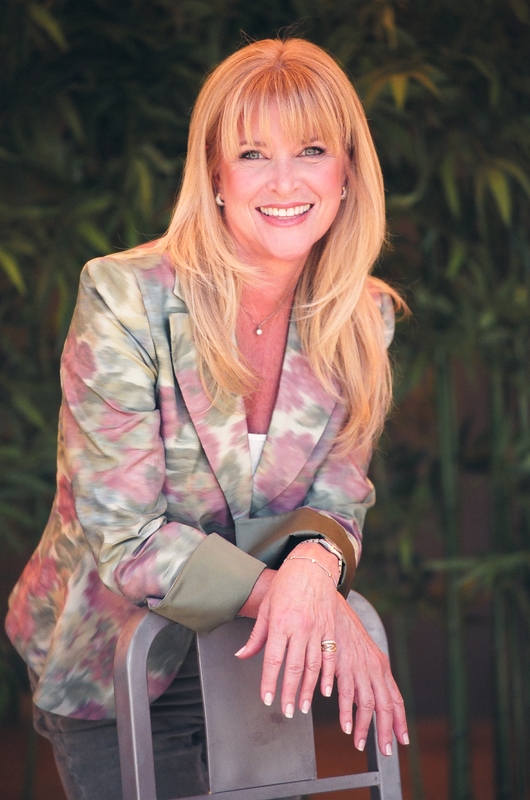
Education
B.S., Biology - University of California, Santa Barbara. Minor in Chemistry
M.A., Psychology - California Graduate Institute, Los Angeles, CA. Emphasis is Marriage and Family Therapy
Ph.D., Psychology - California Graduate Institute, Los Angeles, CA. Certificate in Chemical Dependency; Certificate in Behavioral Medicine
License
Marriage & Family Therapist (MFT), California
Certificates
American Red Cross Disaster Mental Health Services
Professional Experience
Professor - California Graduate Institute, Los Angeles, CA. Courses included: Drug Use & Abuse, Child & Adolescent Psychopathology, Adult & Geriatric Psychopathology, Cross-Cultural Mores & Values, Marriage, Divorce & Family Changes, Psychopathology & Family Dynamics, and Understanding the DSM-IV.
Critical Incident Debriefing - PacifiCare
Corporate Seminars and EAP Consulting - Robert T. Dorris & Assoc.
Technical Consultant - Terra Nova Television 4-part series Bonfires of the Mind
Consultant/Expert Witness - Orange County Public Defenders Office
Child and Adolescent Counselor - Newbridge School, Santa Monica, CA
Technical Book Reviewer - Impact Publishers
On-Air Expert - KCAL 9 News, CBS News
Technical Consultant - Anti-Aging Games, LLC
Clinical Orientation
We believe that each person and each situation is unique, and therefore requires a clinical approach that is customized to fit the details as well as the objectives of the case at hand.
This often entails utilizing explanations, interventions, and processes that are taken from a myriad of psychological schools of thought. One chooses the tools to fit the job.
That being said, there is a predominant overview utilized by each clinician - the general way one explains human behavior, and all of the traits that encompasses.
We utilize a somewhat Psychodynamic approach in our clinical practice, with a Cognitive-Behavioral emphasis.
In plain English, what that means is that we start by looking at the presenting problems or behaviors. The belief is that who we are now, and how we are doing our world, is based on our previous life experiences, and what messages we were given throughout the course of our lives.
These messages affect our behavior, either with or without our knowledge, in the here and now. Understanding where these messages come from is part of the process.
The next part is changing these messages, and the way we react to them. This is a cognitive-behavioral approach, and is based on the present. Understanding what drives us, as well as acknowledging our ability to change, is a powerful healing combination.
Learning to regard ourselves and our behavior with sympathy, empathy and kindness only facilitates our journey toward happiness.
Some Ideas To Consider
***When you embark on a journey of self-discovery, what you find there is just information. If you uncover the inadequacies or injustices in your life, it's just information. It helps explain some of the messages you are operating under, or some of the fears that may drive your actions. That information simply directs you toward the changes you need to make to heal yourself.
***Research has shown that it takes 21 days to make a new 'habit'. Just 21 days. That's pretty remarkable, and speaks to the power of our mind. Anything we do, we can undo. A habit can be more that just a physical behavior, such as smoking. It can also be a habitual way of thinking, of looking at the world, of regarding oneself.
1033 Gayley Avenue, Suite 108
Los Angeles, CA 90024
ph: 310/824-0099